
Is your garage door opener groaning, humming, or just refusing to budge? Perhaps it starts sluggishly and then quits, leaving you stranded outside or delaying your day. For homeowners, a malfunctioning garage door isn’t just an inconvenience; it can disrupt schedules, compromise security, and create a real headache. For commercial property managers, this downtime means lost revenue and frustrated tenants. But before you call for a full opener replacement, a tiny, often overlooked component could be the culprit: the garage door capacitor.
At [Your Brand Name], we believe in empowering you with knowledge. Whether you’re a DIY enthusiast looking to save on labor costs or a property manager needing swift, reliable solutions, understanding your garage door’s components is the first step. Let’s demystify the capacitor and get your garage door back on track.
What is a Garage Door Capacitor?
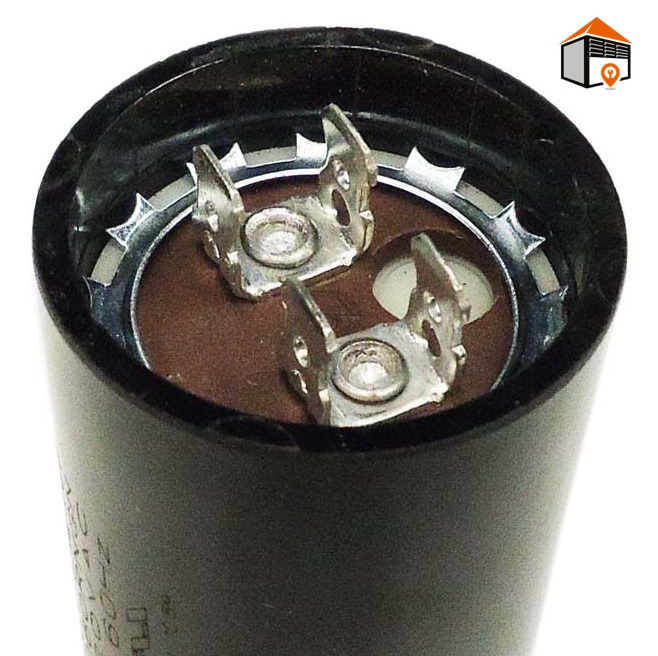
At its core, a garage door capacitor is an electrical component designed to store electrical energy and then release it quickly. Think of it as a small, powerful battery that provides an immediate surge of electricity to help kick-start your garage door opener’s motor. Without this initial burst, the motor might hum weakly or struggle to overcome the inertia of the heavy garage door.
Most garage door openers use what’s called a ‘start capacitor.’ It’s instrumental in getting the motor spinning in the right direction and up to speed. Once the motor is running, the capacitor’s job is largely done until the next cycle. Understanding this critical component is part of understanding your garage door opener’s capacitor and ensuring smooth operation.
Why Your Garage Door Opener Capacitor Matters: Symptoms of a Failing Component
A failing capacitor garage door opener can manifest in several ways, often mimicking more severe problems. Recognizing these signs early can save you time and money. Here are common indicators that your capacitor might be failing:
- Motor Hums But Doesn’t Move: This is the classic symptom. You hear the opener motor hum when you press the button, but the door remains stationary. This indicates the motor isn’t getting the necessary jolt to start moving.
- Slow or Sluggish Start: The door begins to move very slowly, struggles, or seems to hesitate before opening or closing fully.
- Inconsistent Operation: Sometimes the door works, sometimes it doesn’t. This intermittent functionality can be frustrating and unreliable.
- Door Only Works Manually: If you can easily lift and lower the door by hand (meaning the springs are fine), but the opener won’t work electrically, the capacitor is a prime suspect.
- Opener Lights On, But No Action: The indicator lights on your opener illuminate, but nothing happens with the motor. This suggests electrical power is reaching the unit, but the motor isn’t engaging.
For commercial property owners, these issues translate directly to lost productivity and tenant complaints. For homeowners, it’s a major disruption to your daily routine, especially when you need access now.
Diagnosing a Faulty Garage Door Capacitor: A DIYer’s Guide
Sometimes, it’s better doing things yourself, and diagnosing a capacitor can be a straightforward DIY task if you follow safety protocols. This guide empowers you to identify if your capacitor is the problem. Remember, safety first: always unplug your garage door opener from its power source before touching any internal components.
How to Test a Garage Door Capacitor with a Multimeter
Testing the capacitor requires a multimeter with a capacitance setting. Here’s how:
- Safety First: Disconnect all power to the garage door opener. Wait a few minutes for any residual charge to dissipate.
- Locate the Capacitor: It’s usually a cylindrical component, often attached to the motor housing or control board.
- Discharge the Capacitor: Even with power off, capacitors can hold a charge. Safely discharge it by shorting its terminals with a screwdriver (with an insulated handle) or by using a resistor. You may see a spark.
- Remove the Capacitor: Carefully disconnect the wires leading to the capacitor and remove it from the opener.
- Set Your Multimeter: Turn your multimeter to the capacitance (μF or MFD) setting. Ensure the leads are correctly inserted for capacitance measurement.
- Measure Capacitance: Touch the multimeter probes to the two terminals of the capacitor. The reading should be close to the value printed on the capacitor itself (e.g., 20 μF, 30 MFD). A reading significantly lower (e.g., 0, or very little) indicates a faulty capacitor.
- Check for Resistance (Optional but Recommended): Switch your multimeter to the resistance (Ohms) setting. When you first connect the probes, the reading should start low and gradually increase, indicating the capacitor is charging. If it shows zero or infinite resistance immediately, it’s likely bad.
A swollen or leaking capacitor is also a visual sign of failure and should be replaced immediately.
Choosing the Right Replacement Capacitor: Specifications and Compatibility
When it comes to garage door capacitor replacement, compatibility is paramount. You can’t just pick any capacitor. You need one that matches the specifications of your original part. Here’s what to look for:
- Capacitance (μF or MFD): This is the most critical value. It indicates how much charge the capacitor can store. Look for numbers like 20 μF, 30 MFD, or similar. The replacement must have the same or a very close capacitance value (usually within +/- 5-10%).
- Voltage (VAC): This indicates the maximum voltage the capacitor can safely handle. Your replacement capacitor’s voltage rating must be equal to or higher than the original. Common values are 220 VAC or 250 VAC. Never use a capacitor with a lower voltage rating.
- Physical Size: While not electrical, ensure the new capacitor physically fits into the space available in your opener.
Choosing high-quality, branded parts is an investment, not an expense. As an IT Project Manager in Dallas might say, “I don’t mind paying more for something that’s going to last and save me headaches down the road.” We deal with the best brands in the world to ensure reliability and longevity for your garage door system.
Replacing Your Garage Door Capacitor: A Practical Overview
If you’ve identified a faulty capacitor and have the correct replacement, you can often perform the garage door capacitor replacement yourself.
- Power Off: Again, ensure the opener is completely unplugged.
- Discharge Old Capacitor: Safely discharge the old capacitor if you haven’t already.
- Note Wiring: Take a photo or note how the wires are connected to the old capacitor.
- Remove Old Capacitor: Disconnect the wires and remove the old unit.
- Install New Capacitor: Connect the wires to the new capacitor in the same configuration. Ensure all connections are secure.
- Secure Capacitor: Mount the new capacitor securely.
- Restore Power & Test: Plug in the opener and test its functionality.
While this can be a DIY project, if you’re uncomfortable working with electrical components, or if the problem persists, it’s always best to call a qualified professional. Your safety is our top priority.
Where to Buy Replacement Garage Door Capacitors
Finding the right replacement capacitor is easier than you might think. You can typically purchase them from:
- Online Retailers: Websites like Amazon, eBay, or specialized garage door parts suppliers offer a wide selection.
- Local Electronic Supply Stores: Many cities have stores that stock various electronic components, including capacitors.
- Garage Door Opener Manufacturers: Checking the manufacturer’s website or contacting their parts department directly ensures you get an exact OEM replacement.
- Professional Garage Door Service Providers: Local service companies often carry common replacement parts or can order them for you.
What’s the Cost of a New Garage Door Capacitor?
The good news is that a replacement capacitor garage door opener part is typically very inexpensive. You can expect to pay anywhere from $5 to $30 for the component itself, depending on the brand and specifications. This makes it one of the most cost-effective repairs for a struggling garage door opener. For those who want a fix that lasts without breaking the bank, identifying and replacing this small part is a smart move.
Beyond the Capacitor: What If It’s Not the Problem?
While the capacitor is a frequent culprit, sometimes replacing it doesn’t solve the issue. If your garage door opener is still struggling, the problem might lie with:
- The Motor Itself: The motor could be worn out or damaged.
- Logic Board Failure: The electronic control board might be faulty.
- Wiring Issues: Loose or damaged wiring can prevent proper operation.
- Safety Sensors: Misaligned or dirty safety sensors can prevent the door from closing.
In rare cases, a completely failed or shorted capacitor can pose a fire hazard if not addressed promptly. If you’ve tried replacing the capacitor and your opener is still acting up, it’s time to seek expert assistance to diagnose the deeper issue.
Conclusion
Don’t let a small component like a garage door capacitor bring your day to a halt or impact your business operations. Understanding its role, recognizing symptoms of failure, and knowing how to diagnose or replace it can save you significant time and expense. Sometimes it’s better doing things yourself, and with the right guide, you can confidently tackle this common repair.
However, if DIY isn’t your style, or if you’ve got a complex issue, remember that expert help is always available. We’re Here For You 24/7 No Extra Charge for Nights & Weekends, ensuring your home and business stay secure and functional with high-quality parts and reliable service.
Frequently Asked Questions (FAQ)
Q: What is a garage door capacitor?
A: A garage door capacitor is an electrical component that provides a necessary surge of power to help start your garage door opener’s motor, getting it moving smoothly and efficiently.
Q: What size/type of capacitor do I need?
A: You need a replacement capacitor with the exact same capacitance (measured in μF or MFD) and equal or higher voltage (VAC) ratings as your original capacitor. Always check the labels on your existing component. The most common capacitor will be ;
- 56
- 70
- 40
- 43–53
- 53–64
Q: How much does a garage door capacitor cost?
A: A replacement garage door capacitor is an inexpensive part, typically costing between $5 and $30, making it a cost-effective repair for many opener issues.
Q: How often do garage door capacitors need replacing?
A: There’s no fixed schedule. Capacitors usually last many years but can fail prematurely due to age, power surges, or heavy use. Replace it when you observe the common symptoms of failure.
Q: Can I replace my garage door opener capacitor myself?
A: Yes, with the right tools, knowledge of electrical safety, and careful adherence to instructions, many homeowners can replace a garage door capacitor. However, if you are uncomfortable with electrical work, it’s best to hire a professional.
Q: Are faulty garage door capacitors dangerous?
A: A failing capacitor primarily causes operational issues. However, in rare cases, a severely damaged or shorted capacitor could potentially overheat. Always prioritize safety, discharge the capacitor before handling, and replace any visibly damaged units promptly.