
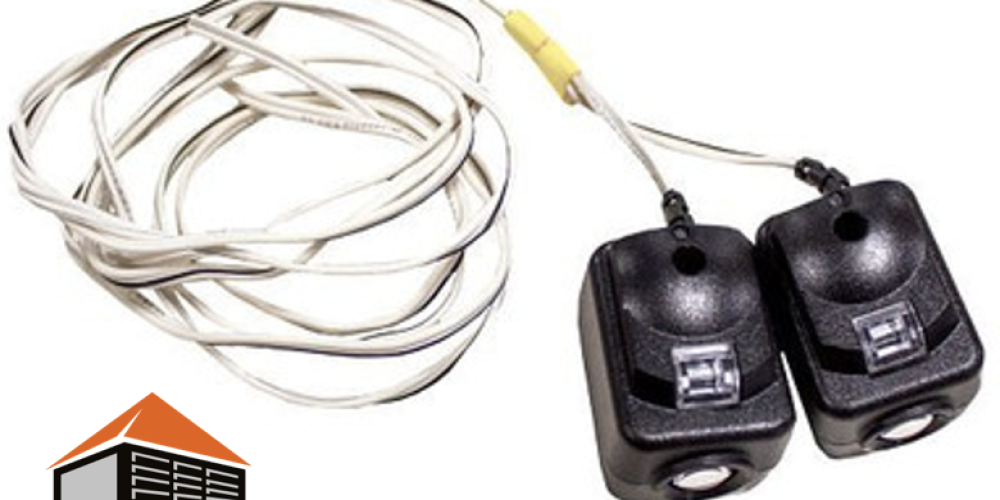
Photoelectric Safety Sensor

Why are Liftmaster garage door sensors not compatible with Marantec or Genie Garage Door openers

A safety device that detects obstructions in garage doors.

Used in garage door systems to prevent accidents by sensing objects in the door’s path.
Photoelectric safety sensors are critical components in modern garage doors, designed to enhance safety by detecting obstructions. They utilize infrared beams to identify objects beneath the garage door, ensuring it does not close on vehicles, pets, or other items. This technology is essential in preventing accidents and enhancing user safety, making it a standard feature in new garage door installations.

Photoelectric safety sensors work by emitting a continuous beam of infrared light between a sender unit and a receiver unit. When the garage door is closing, if something obstructs this beam, the sensors prompt the door to reverse, preventing possible injuries or damage. This technology forms part of a broader set of safety features in garage door openers, ensuring a secure environment for families. Regular checks and maintenance can help ensure these sensors are functioning properly and providing maximum safety.

Key Points About Photoelectric Safety Sensors

  • Detects obstructions, preventing accidents.
  • Supports compliance with safety regulations.
  • Enhances user peace of mind and safety.

Technical Details of Photoelectric Safety Sensors

  • Operates on infrared technology to detect obstacles.

  • Comprises a sender and a receiver unit arranged across the door's path.

  • Self-aligning sensors are available for easier installation.

  • Some models include audible alarms for additional safety.

Types or Variations of Photoelectric Safety Sensors

  • Standard Infrared Safety Sensors
  • Wireless Photoelectric Sensors
  • Retro-reflective Safety Sensors
  • Narrow beam safety sensors for confined spaces

Common Issues with Photoelectric Safety Sensors

  • Misalignment preventing obstruction detection.
  • Dirt or debris blocking the sensor beams.
  • Electrical or wiring issues leading to malfunction.
  • Aging sensors that require replacement.

Regular maintenance typically involves cleaning the lenses of the sensors to ensure clear signal transmission. Alignment checks should be performed periodically to maintain proper functioning. If sensors are malfunctioning, they should be tested and replaced if damaged.

DIY Maintenance Tips for Photoelectric Safety Sensors

Clean the sensor lenses with a soft cloth or cleaner.
Ensure sensors are aligned correctly by adjusting their positions.
Test the sensor functionality by manually obstructing the beam.

When to Call a Professional for Photoelectric Safety Sensors

  • Persistent malfunction after DIY troubleshooting.
  • Visible damage to the sensors or wiring.
  • Sensor alignment issues that cannot be resolved manually.
  • Upgrading or replacing an entire garage door system.

Repair Process for Photoelectric Safety Sensors

Difficulty Level:  Beginner
Price Range  The cost for photoelectric safety sensors can range from $20 to $100 depending on the brand and features.
  1. Inspect the sensor units for any visible damage.
  2. Clean the sensor lenses to remove dirt or obstruction.
  3. Check the alignment of the sender and receiver units.
  4. Test the sensor functionality with the door operation.
  5. Replace the sensors if they continue to malfunction.

Frequently Asked Questions About Photoelectric Safety Sensors

They emit an infrared beam, and if the beam is interrupted, the door will reverse.
Yes, as long as the garage door opener supports safety sensor functionality.
Check for blockages, misalignment, or damage to the sensors.

Related Terms

Garage Door Opener
|
Safety Features
|
Obstacle Detection

Photoelectric safety sensors were first introduced in the late 1990s, becoming a standard safety feature in residential garage door systems.

Pro Tips for Maintaining Photoelectric Safety Sensors

  • 01.  
    Regularly inspect the sensors as part of your overall garage door maintenance.
  • 02.  
    Ensure that nothing can obstruct the beam path, like bushes or furniture.
  • 03.  
    Utilize weather-resistant sensors for outdoor usage to enhance durability.
  • Table of Contents

    Ask a question?

    If you have a questioin regarding a part , fill your details and  we will get back to you shortly.
    Need A Service ?

    Contact us

    Ask a question?

    If you have a questioin regarding a part , fill your details and  we will get back to you shortly.